

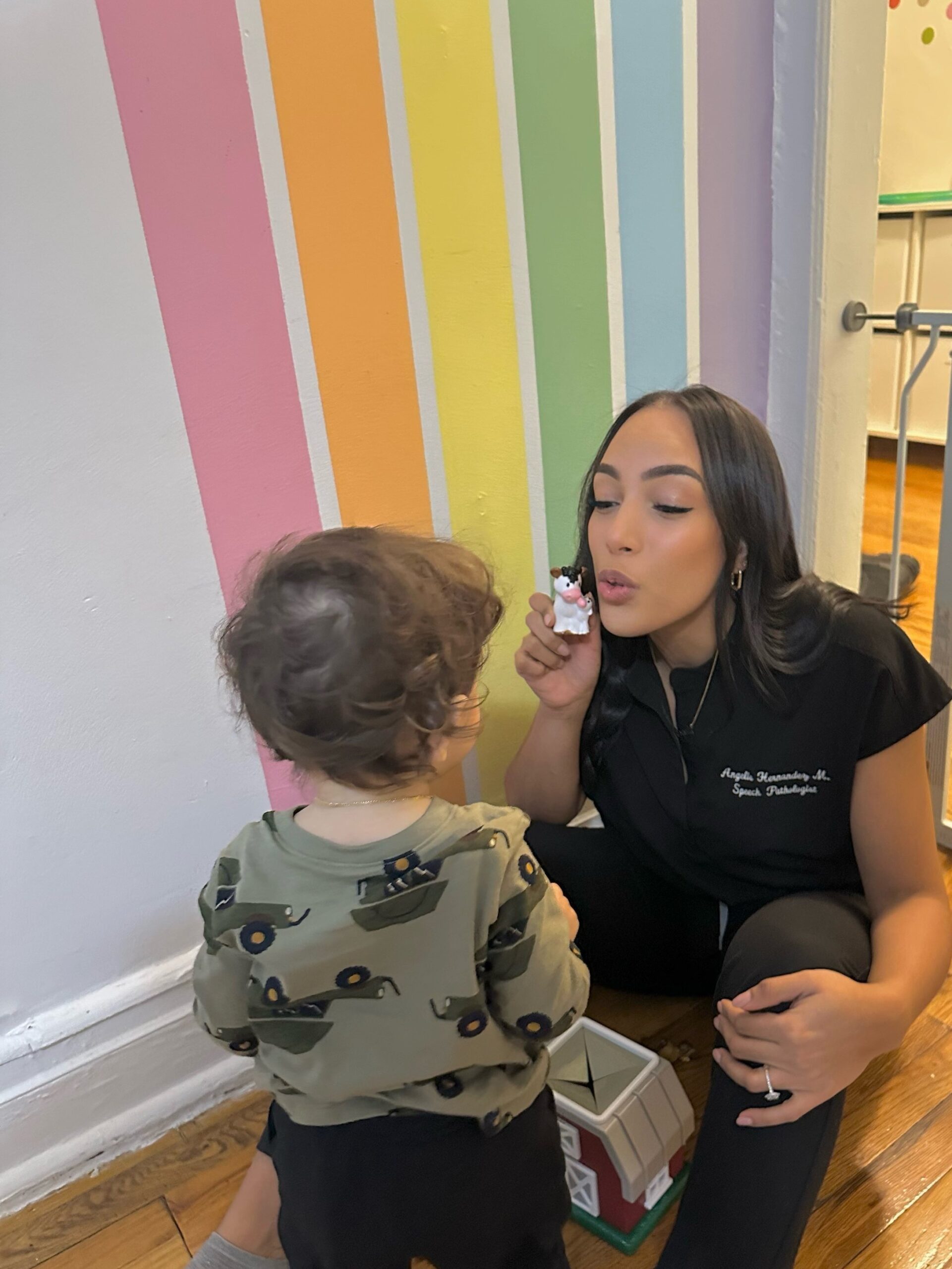
When your child struggles to pronounce certain sounds, it can impact more than just speech. It may affect confidence, classroom participation, and social interaction. Articulation Therapy is designed to help children improve clarity, strengthen communication skills, and feel proud of their voice. With the right support, meaningful progress is possible.
Parents often notice speech differences when their child is difficult to understand compared to peers. While some sound errors are developmentally appropriate, others may persist and require professional guidance. Early support can prevent frustration and build strong communication foundations.
What Is Articulation Therapy?
Articulation therapy focuses on correcting speech sound errors. A child may substitute one sound for another, omit sounds in words, or distort sounds. A speech-language pathologist evaluates which sounds are challenging and creates a personalized plan to target those specific patterns.
Therapy is structured but engaging. Children learn how to position their tongue, lips, and jaw to produce sounds accurately. Practice begins at the sound level and gradually progresses to words, sentences, and natural conversation. Each step builds mastery and confidence.
A child-led, neurodiversity-affirming approach ensures therapy feels supportive rather than pressured. Sessions incorporate play, storytelling, and meaningful interactions that match the child’s interests and strengths.
When Should Parents Seek Support?
Parents should consider a speech evaluation if their child frequently replaces or drops sounds beyond expected age ranges. Difficulty being understood by teachers or extended family members can also indicate a need for therapy. Frustration, withdrawal from conversation, or avoidance of speaking situations are additional signs that support may be helpful.
Children with motor speech disorders such as childhood apraxia of speech often require specialized intervention. In these cases, the challenge lies in coordinating speech movements rather than understanding language. Early identification improves outcomes significantly.
Supporting Motor Speech and Apraxia
Childhood apraxia of speech affects motor planning. A child may know what they want to say but struggle to sequence sounds correctly. Therapy for apraxia involves repetitive practice with visual, tactile, and auditory cues to strengthen brain-to-mouth coordination.
Consistency and intensity are important. Research supports frequent sessions combined with home practice. Parents receive guidance to reinforce target sounds during everyday routines such as mealtime conversations or reading together.
With time and structured support, children with apraxia can make substantial gains in intelligibility and confidence.
Language Delays and Holistic Communication
Speech clarity does not exist in isolation. Some children experience broader language delays affecting vocabulary, grammar, and comprehension. Others may be gestalt language processors who naturally learn language in chunks before analyzing individual words.
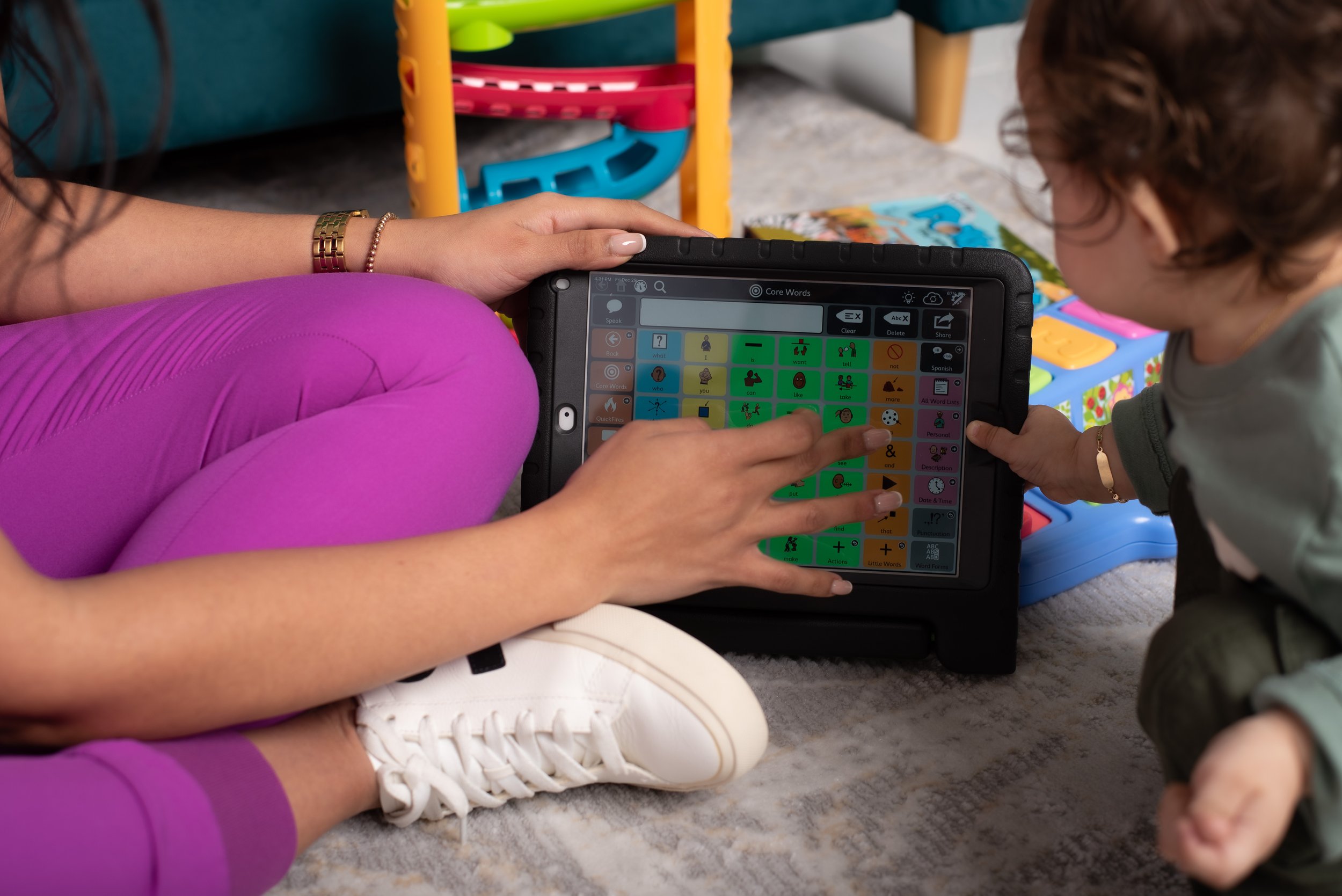
Therapy adapts to these communication styles. Instead of forcing rigid speech drills, therapists model flexible language, expand phrases, and create meaningful opportunities for conversation. This whole-child approach strengthens both speech sounds and overall communication.
The Role of Augmentative and Alternative Communication
For some children, speech alone may not fully support their needs. Augmentative and Alternative Communication systems, including picture boards or speech-generating devices, can enhance expressive language.
Using AAC does not prevent spoken language development. In fact, it often supports growth by reducing frustration and increasing communication attempts. When children feel understood, they are more motivated to communicate in all forms.
Individualized guidance ensures that AAC tools align with the child’s abilities and family goals.
Addressing Fluency and Confidence
Speech clarity also includes fluency. Some children experience repetitions, prolongations, or blocks while speaking. Parents searching for a Stuttering Specialist Near Me are often looking for compassionate support that addresses both speech patterns and emotional well-being.
Fluency therapy focuses on communication confidence rather than perfection. Children learn techniques to manage stuttering while developing positive attitudes about their speech. Family education ensures parents respond calmly and supportively during moments of disfluency.
When children feel safe communicating, their confidence grows.
Why Family-Centered Care Makes a Difference
Family involvement is one of the strongest predictors of progress in speech therapy. When parents actively participate, children practice skills more consistently. Therapists provide practical strategies that fit naturally into daily life, such as modeling clear speech during play or encouraging expanded sentences during routines.
In-home services can further enhance comfort and generalization. Familiar environments provide authentic opportunities for conversation, helping children apply new skills in real-world situations.
A collaborative partnership between therapist and family ensures therapy remains individualized, flexible, and meaningful.
How Articulation Therapy Shapes the Future
Clear communication opens doors. Children who can express themselves confidently are more likely to participate in class discussions, build friendships, and advocate for their needs. Speech improvement influences academic performance, social development, and emotional resilience.
The journey may require patience and consistency, but each small success builds momentum. As children master new sounds and communicate more clearly, their self-esteem strengthens.
Conclusion
Articulation therapy offers structured, compassionate support for children facing speech and language challenges. Through individualized planning, motor speech techniques, AAC integration, and fluency support, therapy addresses the full spectrum of communication needs. A neurodiversity-affirming, family-centered approach ensures that children feel valued and empowered throughout the process.
When parents seek early intervention and partner with a dedicated speech-language professional, they provide their child with tools for lifelong communication success. Clear speech is not just about sounds; it is about confidence, connection, and opportunity.
Frequently Asked Questions
1. How long does articulation therapy usually take?
The length of therapy depends on the severity of the speech sound disorder and consistency of practice. Some children progress within months, while others require longer-term support.
2. Can articulation therapy help with apraxia of speech?
Yes. Specialized motor speech techniques are highly effective for supporting children with childhood apraxia of speech.
3. Is parent involvement really necessary?
Absolutely. Consistent practice at home and active family participation significantly increase the effectiveness of therapy and speed up progress.

