

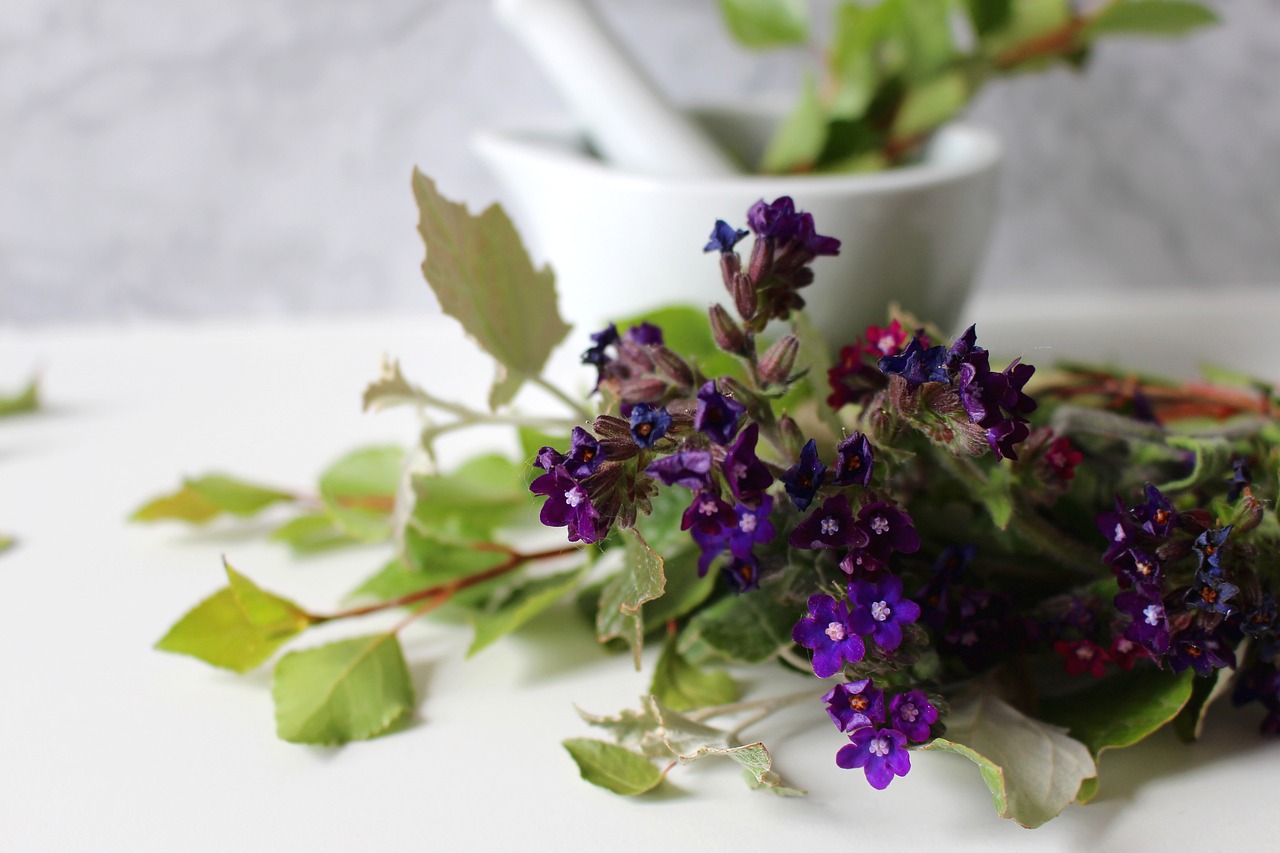
In an age where modern medicine often takes center stage, herbal healing continues to prove its worth as a time-tested approach to achieving a healthier life. For centuries, people have turned to plants and herbs for their medicinal properties, and today, they remain a powerful tool for addressing a wide range of health concerns. From boosting immunity to alleviating stress, herbs provide natural, effective solutions to support your overall well-being. Let’s explore how herbal healing can transform your health and enhance your quality of life.
Why Choose Herbal Healing?
Herbal healing is about more than just treating symptoms; it’s a holistic approach that supports the body’s natural processes. Herbs are packed with vitamins, minerals, antioxidants, and bioactive compounds that work synergistically to promote balance and vitality. Unlike many synthetic medications, herbs often come with fewer side effects and address the root causes of health issues.
Incorporating herbs into your routine can improve digestion, enhance energy levels, strengthen the immune system, and even reduce stress. They offer a natural, sustainable way to maintain and restore health.
Key Herbs and Their Benefits
Turmeric: The Anti-Inflammatory Champion
Turmeric is one of the most well-known herbs for its powerful anti-inflammatory and antioxidant properties. Its active compound, curcumin, helps reduce inflammation, alleviate joint pain, and support heart health. Add turmeric to your meals or enjoy it as golden milk for a soothing, health-boosting drink.
Ashwagandha: The Stress Buster
Ashwagandha is an adaptogenic herb that helps the body manage stress by balancing cortisol levels. It also enhances energy, supports better sleep, and improves mental clarity. Take it as a tea or in capsule form for a natural way to combat stress and fatigue.
Peppermint: The Digestive Ally
Peppermint is a go-to herb for relieving digestive issues such as bloating, gas, and indigestion. Its cooling menthol content also helps soothe headaches and respiratory discomfort. Sip on peppermint tea after meals to promote healthy digestion.
Echinacea: The Immune Booster
Echinacea is a powerful herb for strengthening the immune system. It helps the body fight off colds, flu, and infections. Use it as a tea or tincture, especially during the cold and flu season, to keep your defenses strong.
How to Incorporate Herbal Healing into Your Routine
Herbal Teas
Herbal teas are one of the easiest ways to enjoy the benefits of herbs. Whether it’s chamomile for relaxation, ginger for digestion, or hibiscus for heart health, there’s a tea for every need. Brew a cup daily to create a calming and health-boosting ritual.
Culinary Herbs
Many healing herbs can be incorporated into your meals. Use fresh basil, oregano, or cilantro to add flavor and nutrition to your dishes. Spices like cinnamon and turmeric can also elevate your cooking while supporting your health.
Supplements and Tinctures
If you’re looking for a more concentrated dose, herbal supplements and tinctures are excellent options. These products are widely available and offer a convenient way to include herbs in your routine. Always choose high-quality, organic products and consult with a healthcare provider before starting any new supplement.
Final Thoughts
Herbal healing provides a natural and holistic approach to achieving a healthier life. By incorporating herbs like turmeric, ashwagandha, and peppermint into your daily routine, you can address common health concerns and support your overall well-being. Start small, stay consistent, and let the power of herbs guide you toward better health and vitality.

