

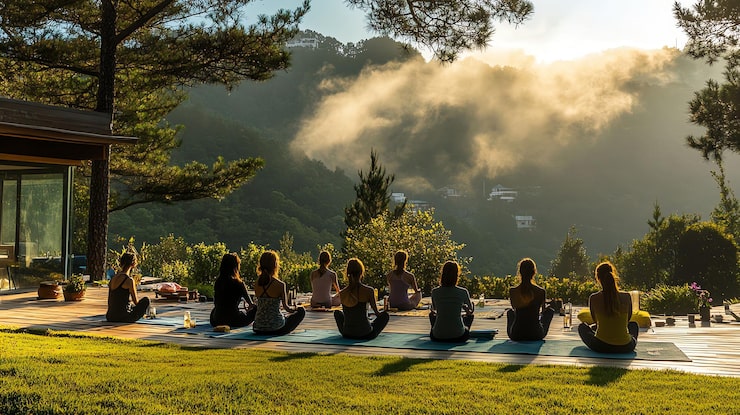
A carefully guided wellness retreat provides a safe and structured space for individuals seeking emotional healing, clarity, and personal renewal. In a fast-moving world filled with responsibilities and pressure, people often neglect their emotional well-being. Retreat programs offer the opportunity to pause, reflect, and reconnect with inner needs in a supportive and intentional environment.
The Purpose of a Wellness Retreat
A wellness retreat is designed to help individuals restore balance between mind, body, and emotions. Unlike ordinary travel, these experiences focus on growth and healing rather than distraction. Participants engage in activities that promote emotional awareness, calmness, and personal insight.
The goal is not to change everything overnight but to begin a journey of understanding and renewal. Retreats encourage individuals to listen to themselves more deeply and develop healthier habits for long-term well-being.
Why Emotional Healing Needs Dedicated Time
Emotional challenges often remain unaddressed due to busy routines and constant stimulation. Healing requires time, space, and focused attention. Retreats remove everyday distractions and replace them with quiet routines that support reflection and inner clarity.
Studies on emotional wellness show that intentional reflection improves mental balance and reduces stress. By stepping away from daily demands, participants can recognize emotional patterns and begin building healthier responses.
Trauma-Informed Healing Approaches
Trauma-informed retreats emphasize safety, respect, and empowerment. These programs understand that healing is different for everyone and that emotional exploration must be gentle and supportive. Participants are encouraged to move at their own pace and choose what feels comfortable for them.
Typical practices include guided mindfulness, breathing exercises, gentle movement, and group conversations. These tools help calm the nervous system and encourage emotional stability throughout the healing process.
The Role of Environment in Renewal
A peaceful environment is essential for emotional restoration. Many retreats take place in quiet, nature-inspired settings where the mind can relax and focus. Natural surroundings help reduce stress and support emotional balance.
Being surrounded by calm landscapes allows participants to slow down and become more present. Simple activities like walking outdoors or sitting in silence can lead to meaningful reflection and emotional release.
Connection and Community Support
Healing becomes stronger when shared with others. Retreats bring together individuals who seek similar goals of growth and understanding. Group discussions and shared experiences help participants feel supported and understood.
This sense of connection reduces isolation and builds trust. When people see others working through similar challenges, it creates encouragement and emotional strength.
Learning Skills for Daily Life
A wellness retreat is not only about time away but also about learning tools that can be used afterward. Programs often teach emotional awareness techniques, breathing methods, stress management strategies, and reflective journaling.
These skills allow individuals to continue their growth long after the retreat ends. Regular practice helps maintain emotional balance and strengthens self-confidence over time.
Midway Insight on Self-Care and Balance
As individuals progress through their retreat experience, many begin to understand the importance of prioritizing their own well-being. A self care retreat perspective teaches that rest and emotional care are essential, not optional. Participants learn that caring for themselves allows them to show up more fully in their personal and professional lives.
This shift in mindset often becomes one of the most lasting lessons of the retreat, helping individuals redefine success as balance rather than constant effort.
Choosing the Right Retreat Experience
Selecting a retreat should start with understanding personal intentions. Some programs focus on emotional healing, while others emphasize mindfulness or personal development. Reviewing the retreat structure, values, and level of guidance helps ensure the experience is a good fit.
A quality retreat offers clear communication, experienced facilitators, and a welcoming environment. Feeling safe and supported is essential for meaningful transformation.
A Conversational View of Wellness Retreat Living

Think of a wellness retreat as a pause button for your inner world. It is not about escaping from life but learning how to return to it with clarity and strength. This time away allows individuals to reflect on emotional patterns and make thoughtful changes.
Many participants describe feeling lighter, calmer, and more focused after completing a retreat. These changes come from intentional reflection and compassionate guidance rather than temporary relaxation.
Long-Term Benefits of Retreat Participation
The real impact of a retreat is seen in everyday life afterward. Individuals often experience improved emotional regulation, better stress management, and stronger self-awareness. Relationships may also improve as people learn to communicate more clearly and set healthier boundaries.
By continuing the practices learned during the retreat, participants can sustain emotional growth and personal development for the long term.
Conclusion
Wellness retreats provide a meaningful pathway to emotional healing and personal transformation. Through trauma-informed practices, peaceful environments, and supportive community, individuals rediscover clarity and balance. Whether seeking renewal or long-term growth, a retreat experience offers a foundation for lasting well-being and inner peace.
Frequently Asked Questions
What is the main goal of a wellness retreat?The main goal is to support emotional healing, personal reflection, and long-term well-being through guided practices.
Who can benefit from a trauma-informed retreat?Anyone seeking emotional renewal, stress relief, or deeper self-understanding can benefit from a trauma-informed retreat.
How can retreat lessons be continued after returning home?Participants can practice mindfulness, emotional awareness, and stress management techniques learned during the retreat to maintain balance in daily life.

