


If you have ever felt tight muscles, stiff joints, or limited motion during your daily activities, you are not alone. Many people struggle with flexibility challenges due to long working hours, poor posture, or lack of regular movement. That is why assisted stretching has become one of the most effective and trusted methods to restore mobility and improve body function in a safe and controlled way. This article explains how assisted stretching works, what benefits it offers, and why it is recommended for people of all ages and fitness levels.
What Is Assisted Stretching?
Assisted stretching is a guided flexibility technique performed with the help of a trained specialist. Unlike regular self-stretching, where you stretch your muscles on your own, assisted stretching allows a professional to gently move your body through safe, deep, and controlled ranges of motion. This approach helps you achieve a level of stretch that is often difficult to reach independently.
Professionals use techniques such as passive stretches, resistance movements, and mobility patterns to target specific muscle groups. The purpose is not only to increase flexibility but also to correct muscle imbalances, release built-up tension, and improve overall joint function.
Why Assisted Stretching Works Better Than Self-Stretching
Self-stretching is beneficial, but it has limitations. Most people do not stretch long enough, deeply enough, or correctly. Assisted stretching overcomes these gaps by providing:
- Accurate body positioning for correct muscle engagement
- Controlled pressure to avoid strain or injury
- A deeper and more effective stretch compared to stretching alone
- Continuous guidance to ensure proper breathing and relaxation
When the body is guided correctly, muscles let go of tension more easily, allowing flexibility to improve faster.
Key Benefits of Assisted Stretching
Assisted stretching offers physical, functional, and long-term wellness benefits. Some of the major advantages include:
1. Improves Flexibility and Range of Motion
Deep stretching enhances muscle length and joint mobility. With improved flexibility, everyday activities such as bending, walking, lifting, and exercising become easier and smoother.
2. Reduces Muscle Tension and Stiffness
Muscles tend to tighten from stress, long sitting hours, or repetitive movements. Guided stretching relieves tension from tight areas like the neck, lower back, calves, and hamstrings.
3. Helps With Pain Relief
Many forms of chronic discomfort, especially in the back, hips, and legs, come from tight muscles. Assisted stretching reduces stiffness and improves circulation, which reduces discomfort and supports natural healing.
4. Enhances Athletic Performance
Athletes rely on strong, flexible muscles to perform effectively. Assisted stretching improves muscle efficiency, reduces injury risk, and enhances recovery time.
5. Supports Better Posture
Poor posture can cause muscle imbalance. Stretching sessions correct tight areas, improve alignment, and support healthier posture habits.
The Role of Stretching Specialists in Guided Flexibility Training
A trained stretching specialist understands how muscles work together and how imbalances affect movement. They assess your mobility patterns, identify restricted areas, and design a stretching session based on your specific needs.
Stretching methods used may include:
- Passive stretching
- Proprioceptive Neuromuscular Facilitation (PNF)
- Joint mobility movements
- Gentle resistance work
Each technique helps improve muscle elasticity and joint health safely.
Mid-Content Anchor Requirement
Mid-way in the session, professionals often emphasize the importance of leg mobility. This is why routines may include guided stretching exercises for legs to ensure balanced flexibility in muscles that support standing, walking, and movement.
Who Should Try Assisted Stretching?
Assisted stretching is suitable for:
- Office workers dealing with stiffness
- Seniors wanting to maintain mobility
- Athletes looking for improved performance
- People recovering from minor movement issues
- Anyone feeling tightness from daily routines
Since sessions are gentle and controlled, even beginners can participate safely.
Examples of Situations Where Assisted Stretching Helps
Here are a few practical examples showing when assisted stretching can make a difference:
- You work at a desk for hours and experience neck or lower-back stiffness
- You run or lift weights and feel hamstring or calf tightness
- You wake up with body stiffness that lasts throughout the day
- You experience difficulty bending or rotating due to tight hips
- Your muscles feel tense after long driving sessions
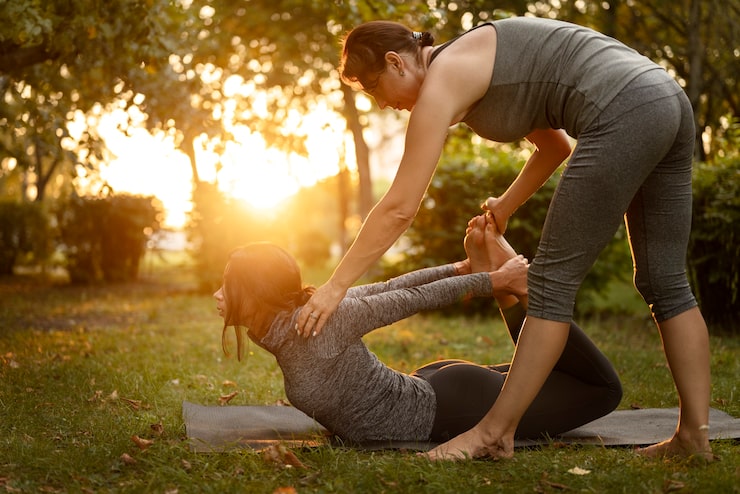
By working with a stretching specialist, these common issues can improve with consistent sessions.
How Often Should You Do Assisted Stretching?
The ideal frequency depends on your goals. For general flexibility maintenance, once a week can be enough. For people with stiffness, pain, or limited mobility, two to three sessions per week may lead to faster improvement. Consistency is key, as muscles respond better to regular movement.
Tips for Maximizing Results
To get the best outcome from assisted stretching:
- Stay hydrated before and after sessions
- Wear comfortable clothing
- Focus on relaxed breathing
- Communicate with the specialist during the stretch
- Follow at-home stretching recommendations
These small steps help your body stay flexible and responsive.
Conclusion
Assisted stretching is a safe, effective, and guided method for improving flexibility, reducing pain, and enhancing overall mobility. Whether you want relief from stiffness, better posture, or improved athletic performance, this method offers noticeable benefits. With regular sessions, expert guidance, and proper technique, assisted stretching becomes one of the best ways to support long-term physical health and body comfort.
FAQs
1. Is assisted stretching safe for beginners?
Yes, it is safe because trained professionals guide every movement and adjust the pressure based on your comfort.
2. How long does a typical session last?
Most sessions last between 20 and 60 minutes, depending on your needs and mobility goals.
3. Can assisted stretching help with chronic stiffness?
Yes, consistent sessions can improve circulation, release tension, and ease long-term stiffness gradually.

