

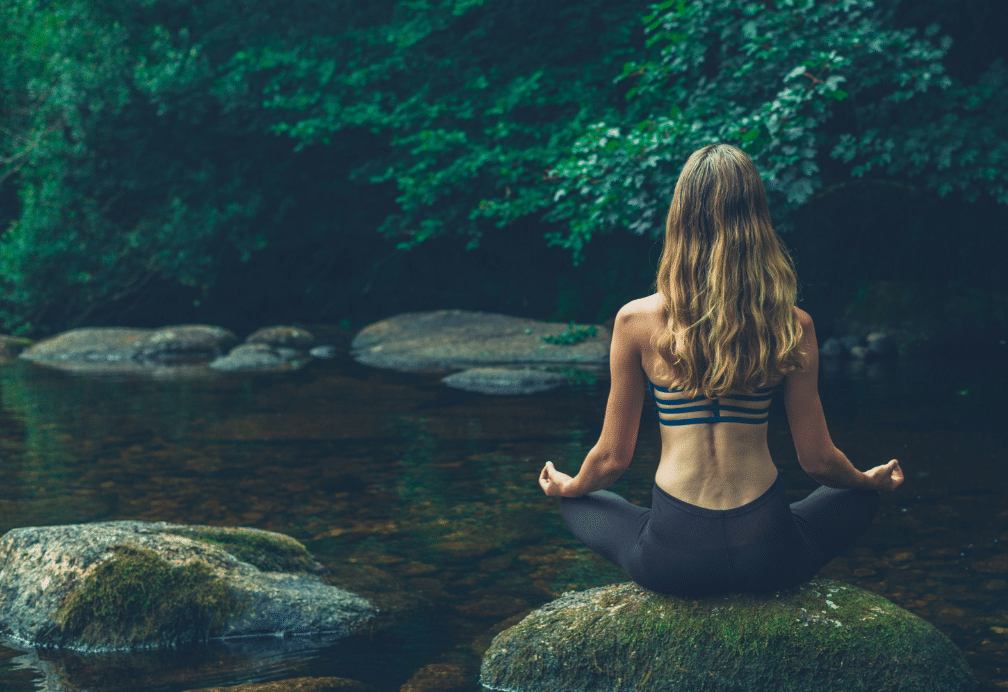
Many people today feel overwhelmed by the constant demands of work, family, and daily responsibilities. Over time, these pressures can affect emotional well-being and make it difficult to maintain balance in life. When stress becomes overwhelming, stepping away from everyday routines can be incredibly beneficial. A wellness retreat offers a peaceful environment where individuals can focus on healing, reflection, and personal growth. These retreats are designed to help participants slow down, reconnect with themselves, and develop healthier emotional habits that support long-term well-being.
Why Wellness Retreats Are Becoming More Popular
In recent years, more people have begun recognizing the importance of mental and emotional health. As awareness of stress, burnout, and emotional fatigue increases, many individuals are seeking meaningful ways to restore balance in their lives. Wellness retreats provide a unique opportunity to focus entirely on self-care and healing. Participants temporarily leave behind daily responsibilities and enter environments that encourage relaxation and reflection. Retreat programs are carefully designed to support emotional renewal through guided activities, supportive conversations, and mindfulness practices. This structured approach helps individuals explore their emotions and discover new perspectives that promote personal growth.
Activities That Encourage Emotional Well-Being
Wellness retreats typically offer a variety of activities that support emotional healing and self-awareness. Meditation is one of the most common practices used in retreat programs. It allows participants to calm their minds and become more aware of their thoughts and feelings. Breathwork exercises are also widely used because they help regulate stress responses and promote relaxation. Another valuable activity is reflective journaling, where participants write about their emotions and experiences to gain deeper insight into their personal challenges and goals. Group discussions and guided workshops provide additional opportunities for participants to share their experiences and learn from others. These activities work together to create a balanced and supportive healing experience.
Healing Emotional Trauma Through Support
Emotional trauma can have lasting effects on mental health and overall well-being. Many people carry unresolved emotional experiences that continue to influence their thoughts, behaviors, and relationships. Wellness retreats designed for trauma healing provide compassionate environments where participants can explore these experiences safely. Trained facilitators guide individuals through gentle exercises that help them process emotions and rebuild emotional resilience. These exercises may include mindfulness techniques, grounding practices, and supportive conversations that encourage emotional expression. The retreat setting allows participants to work through their feelings at their own pace while feeling supported by both facilitators and fellow participants.
The Role of Mindfulness in Personal Healing
Mindfulness practices are central to many wellness retreat programs because they help individuals develop greater emotional awareness. Mindfulness teaches participants to observe their thoughts and feelings without becoming overwhelmed by them. Practices such as meditation, mindful breathing, and slow movement help calm the nervous system and improve emotional stability. When individuals learn to focus on the present moment, they often find it easier to manage stress and respond to challenges with clarity. Mindfulness techniques learned during retreats can also be practiced in daily life, allowing participants to maintain emotional balance long after the retreat experience has ended.
Strengthening Relationships Through Retreat Experiences
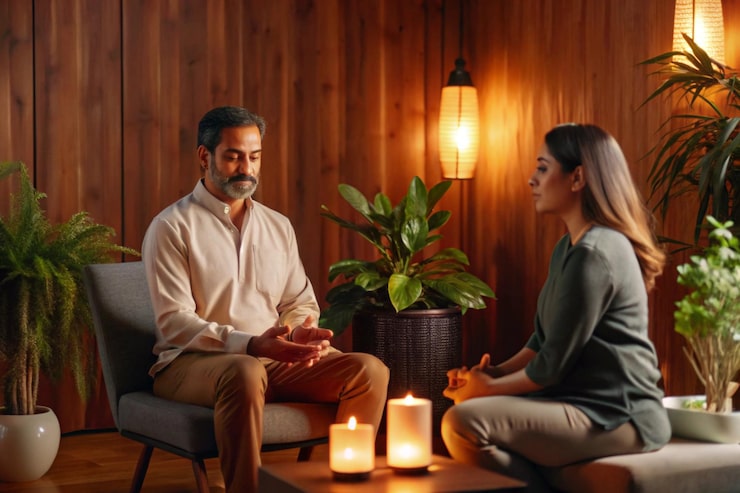
Wellness retreats can also be valuable for couples who want to strengthen their emotional connection and improve communication. Relationships often face challenges due to stress, busy schedules, or unresolved emotional conflicts. Retreat programs designed for couples provide opportunities to explore these challenges in a supportive environment. Experiences such as couples retreat utah include guided sessions that help partners understand each other’s perspectives and communicate more effectively. Through structured exercises and open conversations, couples can rebuild trust, deepen emotional connection, and develop healthier ways of supporting each other.
Discovering Personal Growth and Self-Awareness
Personal transformation is a key outcome of many wellness retreat experiences. When individuals take time to step away from daily distractions and focus on self-reflection, they often gain important insights about their values, goals, and emotional patterns. Retreat facilitators guide participants through exercises that encourage self-discovery and personal development. These exercises may involve identifying limiting beliefs, exploring life goals, or developing healthier habits. As participants gain clarity about their personal needs and aspirations, they often feel more confident about making positive changes in their lives.
Building Meaningful Community Connections
One of the most powerful aspects of wellness retreats is the sense of community they create. Participants often meet people who share similar goals for healing and personal growth. This shared experience fosters trust, empathy, and mutual support among participants. Group discussions and collaborative activities allow individuals to learn from each other’s experiences and provide encouragement throughout the retreat. These meaningful connections can continue long after the retreat ends, creating supportive networks that help individuals stay motivated in their personal growth journeys.
Long-Term Benefits of a Wellness Retreat
Although a retreat may last only a few days, the lessons and experiences gained during that time can have lasting effects. Participants often leave retreats with practical tools that help them manage stress, improve emotional awareness, and strengthen relationships. These tools may include mindfulness techniques, stress-management strategies, and improved communication skills. When individuals continue practicing these habits in their everyday lives, they can maintain the emotional balance and clarity they discovered during the retreat. Over time, these changes can lead to greater happiness, improved mental health, and stronger connections with others.
Conclusion
Wellness retreats offer a meaningful opportunity to step away from everyday stress and focus on emotional healing and personal development. Through mindfulness practices, guided reflection, and supportive community experiences, participants gain valuable tools that help them maintain balance and well-being in their daily lives. By creating space for healing, self-discovery, and connection, retreats provide powerful pathways toward personal transformation. For anyone seeking emotional renewal, deeper self-awareness, or stronger relationships, attending a retreat can be an important step toward a healthier and more fulfilling life.
FAQ
1. What can I expect during a wellness retreat?
Participants can expect activities such as meditation, mindfulness exercises, journaling, group discussions, and workshops designed to support emotional healing and personal growth.
2. Are wellness retreats suitable for beginners?
Yes, wellness retreats are designed for people at all stages of their personal growth journey, including beginners who are new to mindfulness or self-reflection practices.
3. How can a wellness retreat improve relationships?
Retreat programs often include communication exercises and guided discussions that help individuals and couples understand each other better and build stronger emotional connections.

