


Chronic pain rarely responds to a single treatment approach, which is why comprehensive pain centers typically offer a spectrum of interventional options rather than a one size fits all solution. ablation procedures represent one important tool within this broader toolkit, particularly useful for patients dealing with persistent, localized nerve related pain that has not responded to conservative care.
While every patient’s pain journey looks different, understanding how ablation fits alongside other advanced therapies, including neuromodulation and targeted drug delivery, helps patients make more informed decisions about their treatment pathway moving forward.
Why Comprehensive Pain Centers Matter
A truly comprehensive spine and pain center brings multiple treatment categories together under one roof, including neuromodulation, minimally invasive spine procedures, targeted drug delivery systems, regenerative medicine, and functional medicine. This breadth matters because chronic pain conditions are often complex, sometimes requiring a combination of approaches rather than relying on a single isolated procedure.
For patients exhausted by being referred between disconnected specialists, accessing this full spectrum of care in one place removes considerable friction from an already difficult journey toward relief.
The Broader Treatment Spectrum
When evaluating any interventional procedure, it helps to understand the full range of available options within a modern pain practice:
- Neuromodulation, including spinal cord and peripheral nerve stimulation
- Targeted Drug Delivery systems for medication management
- Minimally invasive spine procedures addressing structural pain sources
- Regenerative medicine harnessing the body’s natural healing processes
- Functional medicine addressing root causes rather than symptoms alone
This breadth allows physicians to tailor recommendations specifically to each patient’s diagnosis, prior treatment history, and overall goals, rather than defaulting to whichever procedure a given practice happens to specialize in exclusively.
Why Evidence Based Evaluation Comes First
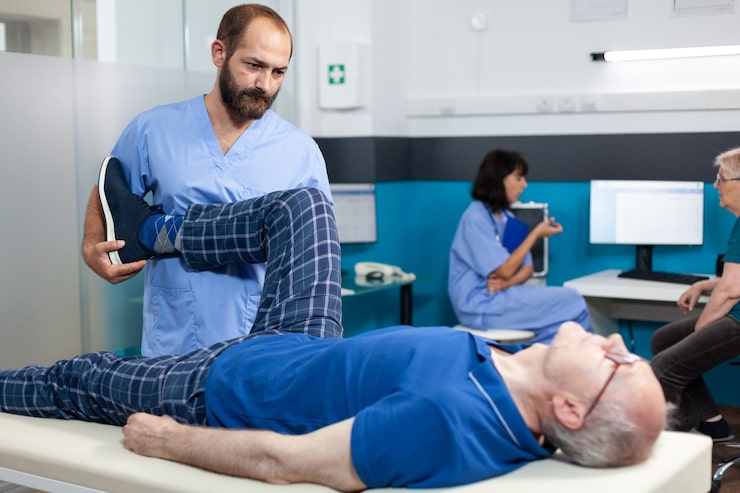
Before recommending any procedure, thorough evaluation is essential. This typically includes reviewing prior treatments attempted, diagnostic imaging where relevant, and a clear discussion of how chronic pain is affecting daily function, sleep, and overall quality of life. Only after this comprehensive assessment does a treatment recommendation, whether interventional or otherwise, become appropriate.
This evidence based foundation reflects a broader commitment within the field toward clinical excellence, education, and ongoing research rather than offering procedures simply because the technology exists.
The Role of Leadership and Research
Dr. Hemant Kalia has built considerable expertise treating complex chronic pain conditions throughout his career, serving patients in Rochester, Monroe County, and Upstate New York since 2007. His credentials include an ACGME accredited Pain Medicine fellowship and FIPP certification from the World Institute of Pain, representing the gold standard internationally in interventional pain practice.
Beyond direct patient care, his contributions to national clinical guidelines, education, and research help ensure treatment recommendations across the field reflect current evidence rather than outdated practice patterns from years past.
Considering Targeted Drug Delivery Alongside Other Options
For patients whose pain has not responded adequately to localized procedures alone, Pain Pumps may offer a complementary or alternative pathway, particularly for chronic pain that has proven resistant to other stimulation based therapies. This option delivers medication directly into the intrathecal space, requiring only a small fraction of an equivalent oral dose while dramatically reducing systemic side effects.
A Patient Centered Philosophy
What distinguishes a strong pain management practice is not simply the procedures offered, but the philosophy guiding how those procedures are selected and delivered. A commitment to empathy, collaboration, and accessible, cost effective care should sit at the heart of every recommendation, ensuring patients receive personalized solutions rather than a generic protocol applied uniformly across every diagnosis.
What Patients Should Discuss During Evaluation
- Every treatment already attempted, including medications and prior procedures
- Specific pain locations and how symptoms change with movement or rest
- How pain currently affects work, sleep, and daily independence
- Questions about trial periods before any permanent procedure
- Whether a combination approach might serve their condition better than one therapy alone
Education and Research Driving the Field Forward
Ongoing education and research centers within comprehensive pain practices support both medical professional development and broader healthcare discoveries shaping the future of spine and pain management. This commitment to continuous learning ensures that treatment approaches, including newer techniques, remain grounded in the latest available evidence rather than static, decades old protocols.
Finding the Right Fit for Your Pain
Chronic pain treatment is rarely one dimensional, and the right pathway often depends on a careful, individualized evaluation rather than a single procedure applied broadly. Whether the discussion centers on localized interventional treatment or a more systemic approach, a thorough, evidence based assessment remains the essential first step toward genuine, lasting relief from persistent pain.

