

If you have ever dealt with unexplained swelling, sluggishness, or puffiness after surgery or illness, you may have heard someone recommend lymphatic drainage. It is a gentle, specialized technique that has grown in popularity, yet many people still are not sure what it actually does or why it matters. Understanding the basics can help you decide if this type of massage belongs in your wellness routine.
What Is the Lymphatic System and Why Does It Matter?
The lymphatic system is a network of vessels and nodes that runs throughout the body, parallel to the circulatory system. Its main job is to collect excess fluid, waste products, and toxins from your tissues and carry them back toward the bloodstream, where the body can filter and remove them. Unlike blood, which is pumped by the heart, lymph fluid relies on muscle movement and manual stimulation to keep flowing. When this system slows down due to illness, surgery, injury, or simply a sedentary lifestyle, fluid can build up in the tissues, leading to swelling, heaviness, and discomfort.
How Does Lymphatic Drainage Work?
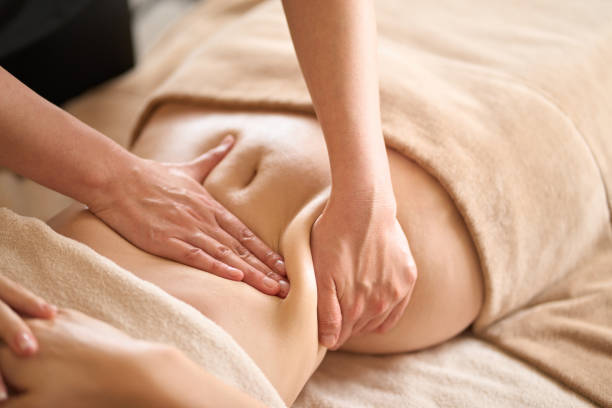
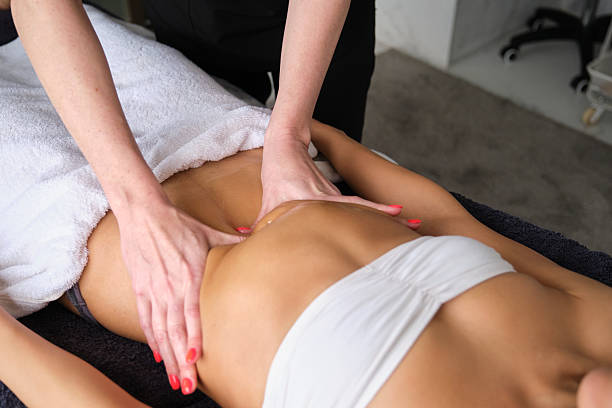
Lymphatic drainage is a light touch technique, much gentler than a typical deep tissue session. A trained therapist uses slow, rhythmic strokes that follow the natural pathways of the lymphatic vessels, guiding fluid toward the lymph nodes so it can be processed and removed from the body. Because the lymphatic vessels sit just below the skin, heavy pressure is not needed and can actually be counterproductive. The technique is designed to stimulate circulation without compressing tissue too forcefully, which allows the fluid to move more freely.
Sessions typically begin at the neck, since this is where lymph fluid ultimately drains before reentering the bloodstream. From there, the therapist works down through the body in a specific sequence, often focusing on areas with visible swelling such as the arms, legs, or abdomen.
Who Can Benefit From This Type of Massage?
People recovering from surgery, particularly cosmetic procedures like liposuction or tummy tucks, are frequently advised to schedule sessions to reduce postoperative swelling and speed healing. Cancer patients, especially those who have had lymph nodes removed as part of treatment, may also use this technique to manage a condition called lymphedema, where fluid accumulates because the normal drainage pathways have been disrupted.
Beyond medical recovery, many people seek out this type of care simply because they deal with chronic puffiness, fatigue, or a feeling of heaviness in their limbs. Pregnant individuals often find it helpful for managing swelling in the legs and feet during later trimesters. Athletes sometimes use it as part of their recovery routine, since it can help reduce inflammation after intense training.
What Does a Typical Session Feel Like?
A session usually feels calm and relaxing rather than intense. Because the pressure is light, some people are surprised at how gentle the technique feels compared to other forms of bodywork. Many clients report a sense of lightness afterward, along with reduced puffiness in areas that were treated. It is common to need to use the restroom shortly after a session, since the body is actively processing and eliminating the extra fluid that has been moved through the system.
Sessions can range from thirty minutes to over an hour, depending on the areas being addressed and the reason for treatment. For chronic conditions like lymphedema, a series of sessions is often recommended rather than a single visit, since consistent stimulation helps retrain the body’s fluid pathways over time.
Is It Safe for Everyone?
While generally considered low risk, there are situations where this technique should be avoided or approached with caution. People with active infections, certain heart conditions, blood clots, or untreated cancer should speak with a physician before scheduling a session. It is always a good idea to disclose your full medical history to your therapist so they can adjust their approach appropriately or refer you elsewhere if needed.
How Does It Compare to Other Massage Techniques?
Unlike deep tissue or sports massage, which target muscle tension and knots with firmer pressure, this technique focuses almost entirely on fluid movement rather than muscle manipulation. It is not meant to relieve tight muscles or joint pain in the same way other therapies do. Because of this, many people combine it with other forms of care depending on their overall goals. For those managing both swelling and muscular discomfort, a therapist may blend techniques within the same visit or recommend alternating sessions.
If you are looking for a qualified provider who understands how to properly perform lymphatic drainage as part of a broader treatment plan, the team at lymphatic drainage specialists can help assess your needs and build a plan suited to your body.
How Often Should You Schedule Sessions?
The right frequency really depends on why you are seeking treatment in the first place. Someone recovering from a recent surgery may need sessions two to three times a week during the initial healing period, gradually tapering off as swelling subsides. For chronic conditions such as lymphedema, ongoing maintenance sessions, sometimes weekly or biweekly, help keep symptoms under control over the long term. If you are simply seeking relief from occasional puffiness or general sluggishness, a monthly session may be enough to notice a difference in how your body feels.
It also helps to pair professional sessions with simple habits at home. Staying well hydrated supports the lymphatic system’s ability to move fluid efficiently, while light movement such as walking or gentle stretching encourages circulation between appointments. Some therapists also teach clients basic self massage techniques they can use on their own to maintain results between visits.
What Questions Should You Ask Before Booking?
Before scheduling your first appointment, it is worth asking a potential provider about their specific training in this technique, since it requires specialized certification beyond standard massage education. You may also want to ask how they typically structure a treatment plan for your particular concern, whether that is postsurgical swelling, lymphedema, or general puffiness, and how many sessions they usually recommend before reassessing progress. A qualified provider should be comfortable answering these questions and explaining how their approach will be tailored to your situation.
Final Thoughts
Lymphatic drainage offers a gentle yet effective way to support the body’s natural detoxification process, reduce swelling, and promote overall comfort. Whether you are recovering from surgery, managing a chronic condition, or simply want to feel lighter and less puffy, this specialized technique can be a valuable addition to your wellness routine. As with any therapeutic treatment, it is worth consulting a licensed professional who can evaluate your specific situation and tailor the approach to your needs.

